İçindekiler
Best Water Purification Filters
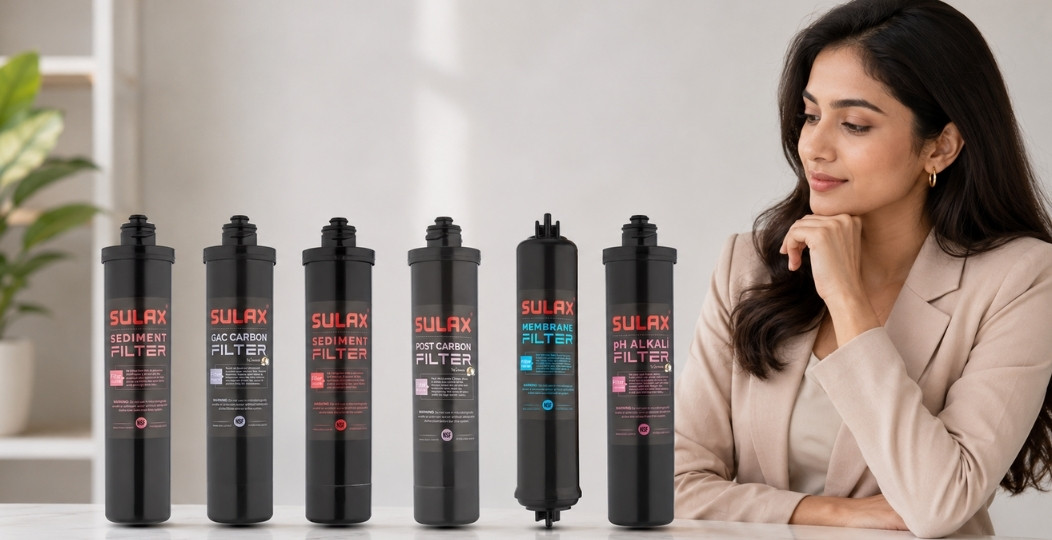
The best water purification filters are high-tech products certified with NSF/ANSI standards (especially NSF/ANSI 42) and stabilized with ISO 9001 and ISO 14001 quality management systems. These filters not only remove sediment but also preserve the mineral balance of water and maintain an ideal pH level, making them a key element of a healthy lifestyle. Performance may vary from device to device.
Although there are dozens of filter options on the market, you can review the best water purification filters based on filtration power, durability, and user reviews in the table below.
Best Water Purification Filter Recommendation List
No | Best Water Purification Filter | Effect on Water Quality | Filter Lifespan | Rating |
|---|---|---|---|---|
1 | Sulax Luxury Black Membrane | Very High | 12–24 Months | 10 / 10 |
2 | Luxury Black Sediment 1 | Medium | 6–12 Months | 10 / 9.8 |
3 | GAC Carbon Filter | High | 6–12 Months | 10 / 9.7 |
4 | Block Carbon Filter | High | 6–12 Months | 10 / 9.6 |
5 | Black Post Carbon Filter | High | 12 Months | 10 / 9.4 |
6 | White Mineral Filter | Very High | 6–12 Months | 10 / 9.2 |
7 | pH 8+ Alkaline Filter | Very High | 6–12 Months | 10 / 9 |
Note: The water purification filters listed here have been evaluated based on filtration technology, filter structure, maintenance process, NSF and ISO certifications, and real user experience. This evaluation considers technical filter features, system compatibility, and general user reviews.
1. Sulax Luxury Black Membrane Filter
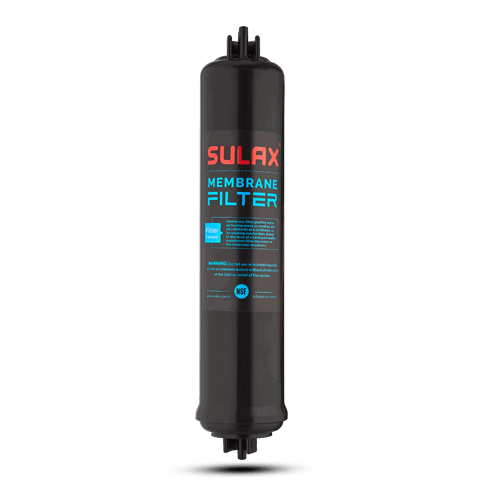
The Sulax Luxury Black Membrane is a high-precision filtration component used in reverse osmosis systems. Thanks to its 0.0001 micron pore structure, it helps separate dissolved particles in water. It filters heavy metals (lead, mercury, arsenic), limescale, nitrates, and microscopic bacteria and viruses at a rate of 99.9%, making the water extremely pure.
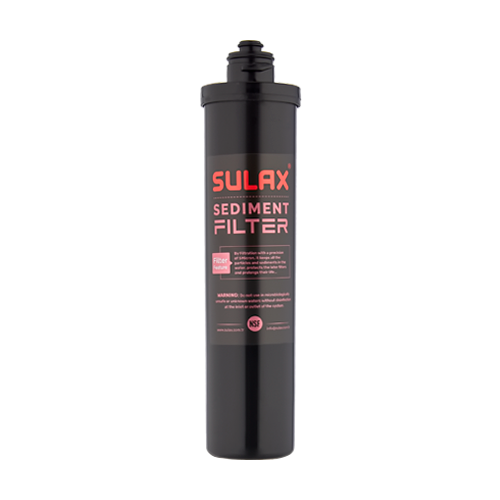
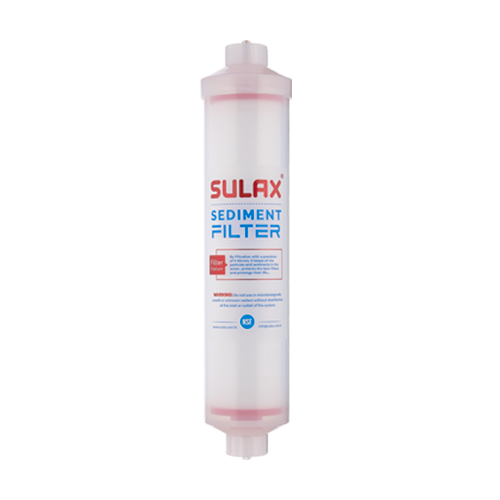
2. Luxury Black Sediment 1
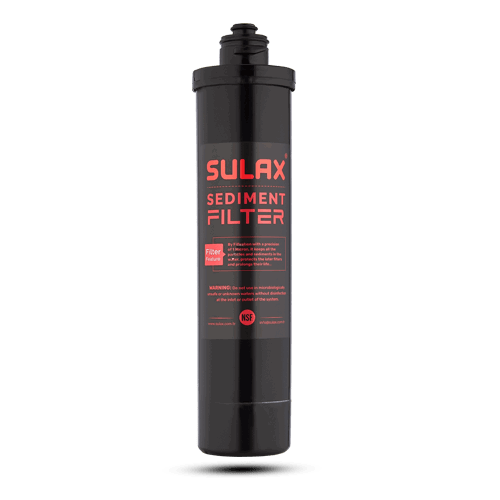
It is the defensive line and mechanical protector of water purification devices. It physically traps mud, rust, sand, and coarse sediments in raw tap water. A 5-micron or 1-micron sediment filter ensures water clarity while playing a critical role in preventing clogging of subsequent carbon and membrane filters. It not only cleans water but also maintains system efficiency by protecting downstream filters.
3. GAC Carbon Filter
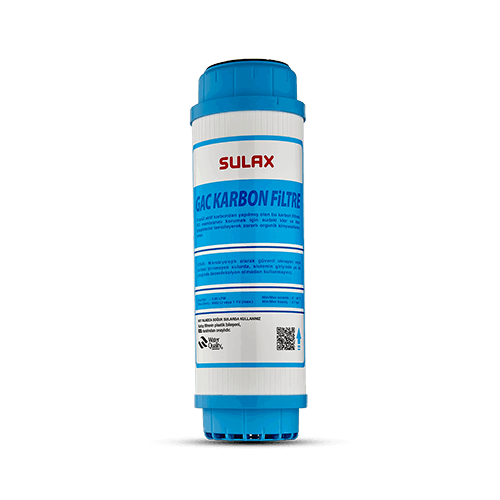
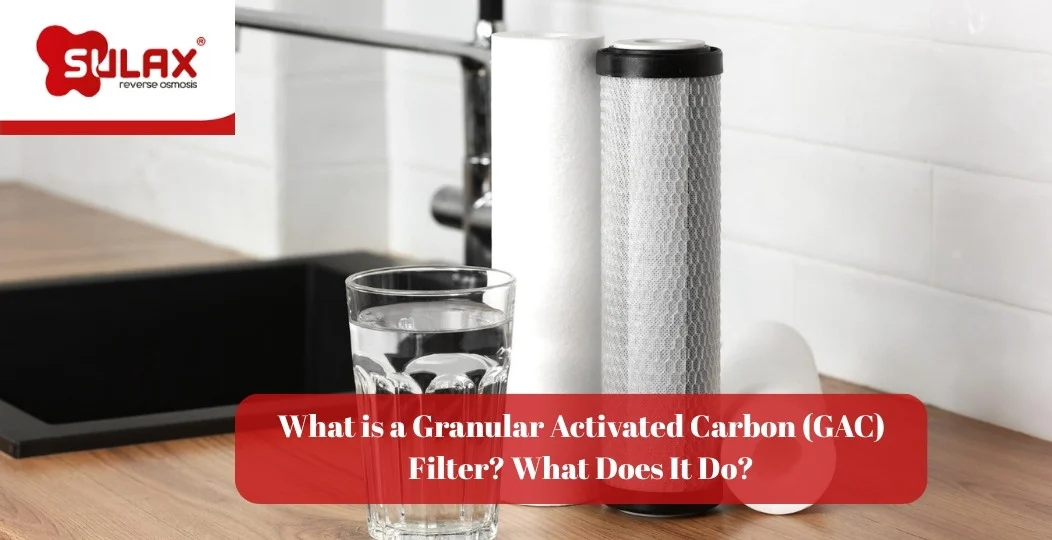
Granular activated carbon removes chemicals that cause bad taste and odor in water. It acts like a magnet for chlorine and unpleasant smells in water. It clarifies the water’s color and provides a soft, drinkable taste by eliminating the heavy metallic odor of tap water.
4. Block Carbon Filter
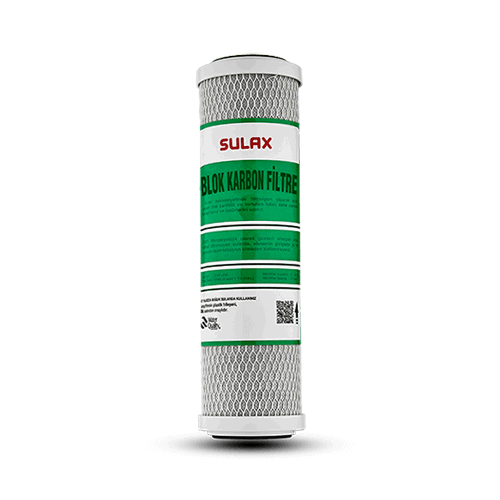
The Block Carbon Filter is a second safety layer that captures the smallest particles that may pass the previous carbon filter. Its compressed structure increases water contact with carbon. It sends clean water to the main membrane filter, protecting it against chemical wear. This filtration strength extends the membrane’s lifespan and adds an extra safety barrier for the system.
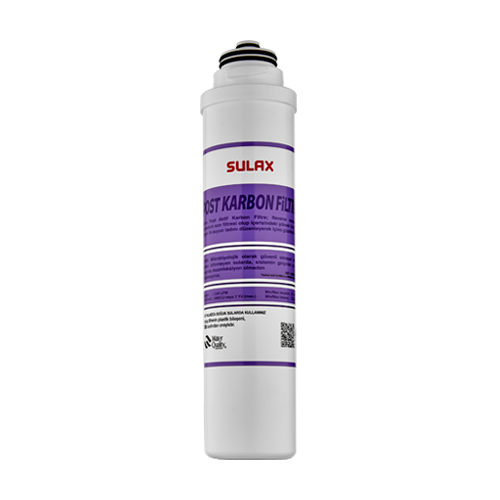
5. Black Post Carbon Filter
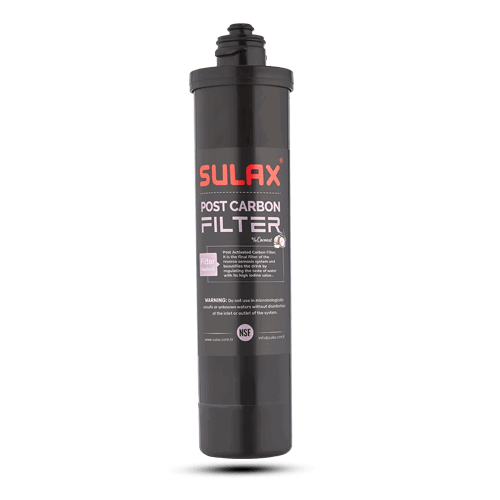
Made from coconut shell, this natural filter is the final stage before drinking. It softens the taste of water stored in the tank and provides a fresh, pleasant drinking experience. It removes the artificial taste found in ordinary purified water and ensures each glass feels like natural spring water.
6. White Mineral Filter
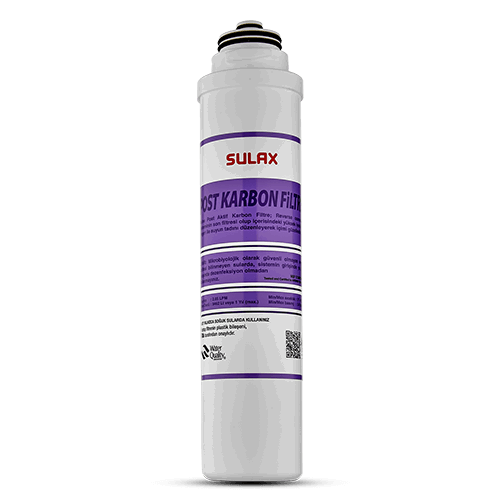
While water becomes completely purified during filtration, it may lose some beneficial minerals. This filter restores minerals such as calcium, magnesium, and potassium in a controlled way, bringing back nature’s balance. It transforms water into not only a clean but also a nourishing source for the body, supporting bone and muscle health.
7. pH 8+ Alkaline Filter
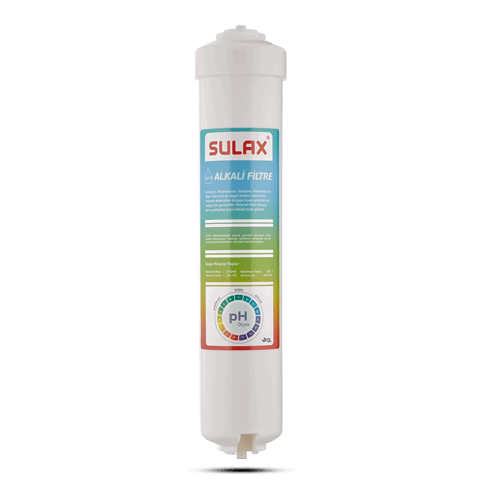
It regulates the acidity balance of water and raises the pH level to an ideal range of 8.5–9.5. Thanks to its antioxidant properties, it helps reduce the body’s acid load and supports cell regeneration. Since alkaline water has smaller molecular clusters, it is absorbed more quickly by the body, allowing maximum benefit from each glass.
Things to Consider When Buying a Water Purification Filter
When choosing a filter, paying attention to the following five critical points rather than price will protect both your health and your budget:
Filter Quality and Certifications: A filter must not only purify water but also avoid releasing harmful substances. NSF (especially NSF/42), WQA, and ISO certifications are the only proof of safety.
Original and Compatible Product: To maintain factory performance, original and system-compatible filters should be preferred over third-party alternatives.
Micron Rating: Filters with sensitivity down to 0.0001 microns are preferred to fully block bacteria, viruses, and heavy metals.
Membrane Quality: Low-quality membranes clog quickly, overwork the pump, and reduce clean water output. High-quality membranes are essential.
Filter Stages: While 5-stage systems are standard, 7–8 stage systems including mineral and alkaline filters are recommended for healthier drinking water.
Technical Service Support: The brand should have a strong service network and spare part availability. (Sulax)
What Should a High-Quality Water Filter Be Like?
A high-quality water filter should not only purify water but also preserve its natural structure during the process. The most important indicator of quality is compliance with international standards such as NSF/ANSI (especially NSF 42) and ISO 9001. These certifications prove both structural integrity and effectiveness in removing chlorine, taste, and odor.
How to Choose a Water Filter Brand?
When selecting a water filter brand, attention should not only be paid to popularity but also to certification transparency and production quality. Brands that can document NSF/ANSI compliance, have ISO 14001 environmental management systems, and invest in R&D should be preferred.
In addition, after-sales technical support, spare part availability, and user experience are also decisive factors. Brands meeting these criteria, such as Sulax, stand out with their technical infrastructure and process management.
Frequently Asked Questions
How do you identify an original water filter?
The easiest way to identify an original filter is through brand holograms, embossed markings, and unique serial numbers on each product. The most reliable method is checking NSF approval codes on the official organization website. Counterfeit products either lack these codes or have invalid ones.
Which is the best water purification filter?
The best water purification filter that meets the highest international quality standards is the Sulax Luxury Black Membrane, ranked first in the list with NSF/42 and ISO certifications. It is one of the most reliable solutions for clean water in both home and professional kitchens due to its ultra-precise filtration capacity and durable structure.
What is the best membrane filter?
The best membrane filter is a system-compatible, high-precision (0.0001 micron) reverse osmosis membrane. These membranes significantly reduce dissolved salts and heavy metals in water. Regular replacement and proper system pressure are also critical for long-lasting and stable performance.
How do we know when filters have expired?
If you notice a bitter taste or odor in the water, the filters have reached the end of their life. Additionally, a noticeable decrease in water flow indicates that the filter is clogged and saturated. When these signs appear, replacement is necessary for health reasons.
What happens if the filter is not replaced?
Filters that are not replaced on time lose performance and may pose hygiene risks. Clogged filters restrict water flow and put extra strain on the system’s pump and components. This leads to reduced water quality and potential device failure.